This myth is everywhere. The idea that a woman’s vagina permanently stretches from having “too much” sex — becoming “loose” — is one of the most persistent, most damaging, and most anatomically illiterate beliefs about the female body.
It has been used to shame women, control their behavior, and judge their worth. And it’s completely, verifiably wrong.
The Actual Anatomy
The vagina is a muscular canal — not a passive hole. It’s made of elastic tissue with rugae (folds) that expand and contract, similar to your mouth or stomach.
Key facts:
- The vaginal walls are collapsed against each other at rest. There is no permanent “open space.”
- The tissue is highly elastic — designed to stretch to accommodate childbirth (a baby’s head) and return to its baseline.
- The pelvic floor muscles surrounding the vaginal canal control tightness. These are voluntary muscles — they can be strengthened or weakened.
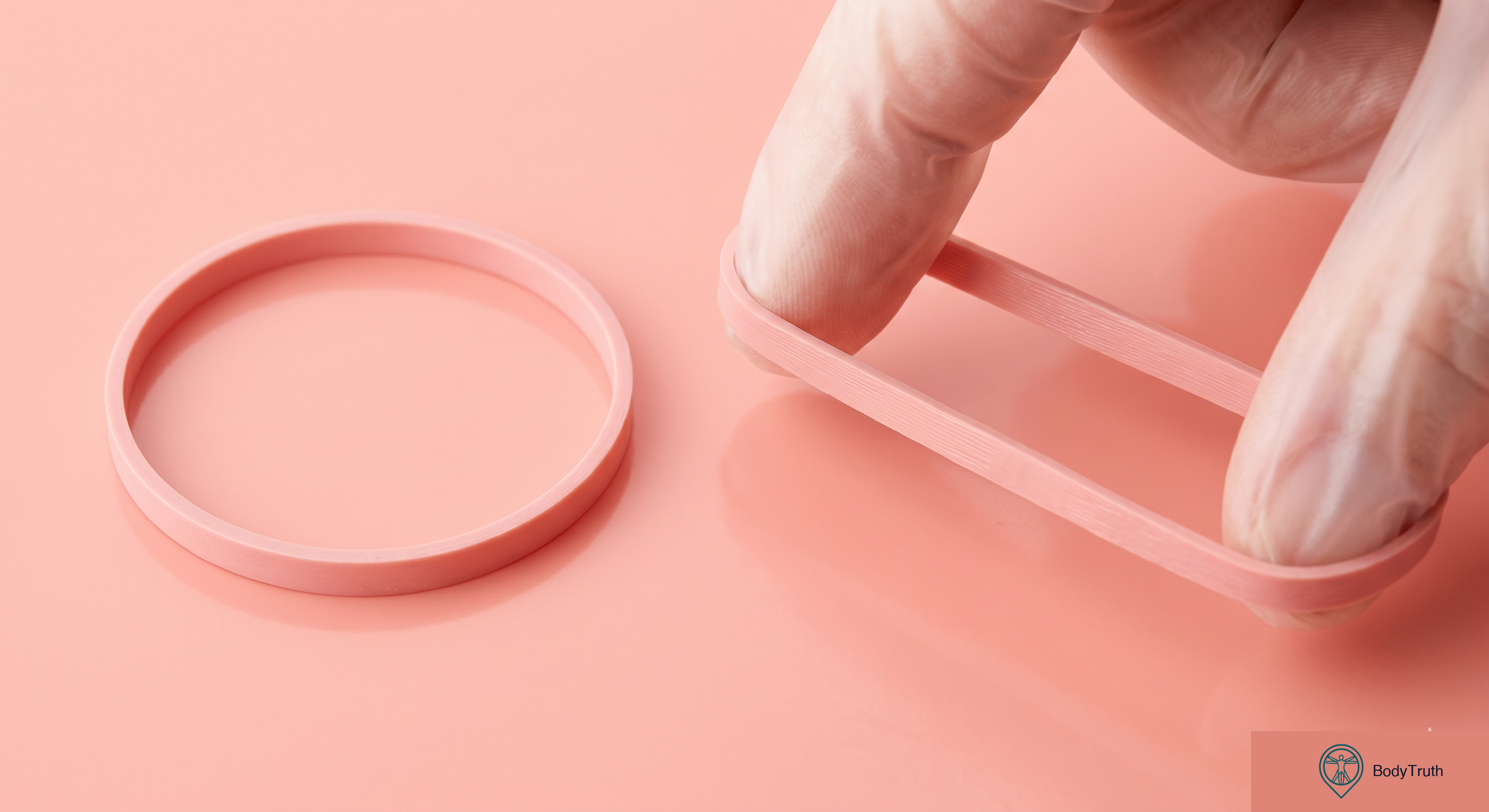
The comparison: Think of a rubber band. You stretch it, it returns. Having sex does not permanently deform vaginal tissue any more than smiling permanently stretches your mouth.
What the Science Says
A 2012 study in International Urogynecology Journal measured pelvic floor strength in women across different sexual histories. The findings: number of sexual partners had no correlation with vaginal laxity.
What DID correlate with changes:
- Vaginal childbirth (especially traumatic delivery) — can weaken pelvic floor muscles
- Aging (estrogen decline post-menopause reduces elasticity)
- Chronic straining (heavy lifting, chronic cough, constipation)
Sex? Zero measurable effect on vaginal “tightness.”
Where This Myth Comes From
This isn’t a misunderstanding of science. It’s a control mechanism.
The myth exists because:
- It punishes women for having multiple partners
- It rewards “purity” with the label of being “tight”
- It gives men a framework to judge women based on sexual history
- It conveniently has no male equivalent (penises don’t “wear down” from use in any cultural narrative)
The myth persists because it serves a social function — not because any evidence supports it.
What Actually Affects “Tightness”
If you feel like things have changed, these are the real factors:
Pelvic floor muscle tone — The muscles around the vaginal canal determine how “tight” it feels. These weaken from childbirth, aging, or inactivity — NOT from sex. They can be strengthened with Kegel exercises.
Arousal level — When aroused, the vagina relaxes and lengthens (vaginal tenting). This is NORMAL and necessary for comfortable sex. A “tight” vagina during sex often means she’s not aroused enough — that’s a problem, not a compliment.
Hormonal changes — Menopause, breastfeeding, and certain medications reduce estrogen, which can thin vaginal tissue.
The Arousal Fact Most People Miss
Here’s something critical: the vagina is SUPPOSED to relax during sex. The muscles loosen, the canal lengthens, lubrication increases. This is the arousal response.
If it feels “tight” during penetration, that often means:
- Not enough foreplay
- She’s nervous or anxious (muscles tense involuntarily)
- She’s not aroused
Tightness during sex is not a compliment to her “purity.” It’s often a sign something isn’t working.
Key Takeaways
- The vagina is muscle and elastic tissue. It stretches and returns to baseline — sex does not permanently alter it.
- Studies show zero correlation between number of sexual partners and vaginal laxity.
- Childbirth and aging are the only things that affect pelvic floor tone long-term.
- The myth is a social control tool — not science. It has no male equivalent.
- “Tightness” during sex often means insufficient arousal — not a positive sign.
- Pelvic floor exercises (Kegels) can strengthen these muscles at any age.
Sources
- Dietz HP, et al. “Pelvic floor function and sexual activity.” International Urogynecology Journal, 2012.
- Bø K, et al. “Pelvic floor muscle strength and sexual function.” Neurourology and Urodynamics, 2015.
- Puppo V. “Anatomy and physiology of the clitoris, vestibular bulbs, and labia minora.” Clinical Anatomy, 2013.
- American College of Obstetricians and Gynecologists. “Pelvic Floor Disorders.” FAQ, 2021.
This article is for educational purposes only and does not constitute medical advice. If you have concerns about your health, please consult a qualified medical professional.
Don't leave it to the algorithm.
One article, straight to your inbox, whenever we publish. Written for humans, backed by research, free of clickbait.
Zero spam. One click to leave. Your inbox, your rules.