Most women choose their birth control based on whatever their first doctor prescribed — usually the pill. Then they stay on it for years without knowing there are 10+ other options, some with fewer side effects, better effectiveness, and zero daily effort.
Here’s every method, honestly compared. No pharmaceutical marketing. Just data and real-world experience.
The Ranking (By Effectiveness)
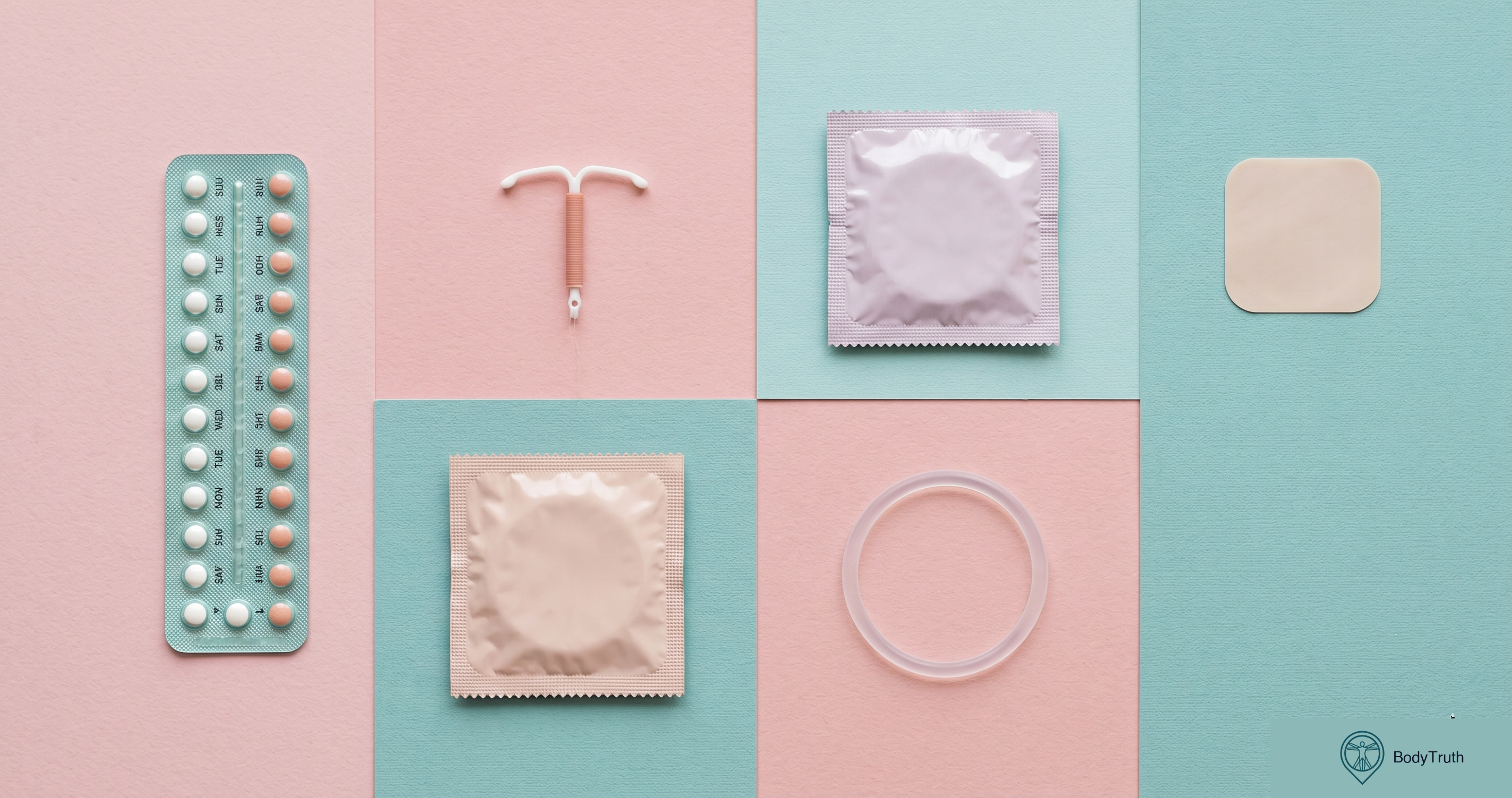
| Method | Perfect Use | Typical Use | Effort |
|---|---|---|---|
| Implant (Nexplanon) | 99.95% | 99.95% | None for 3 years |
| IUD (Hormonal — Mirena) | 99.8% | 99.8% | None for 5–7 years |
| IUD (Copper — Paragard) | 99.4% | 99.2% | None for 10–12 years |
| Injection (Depo-Provera) | 99.8% | 94% | Every 3 months |
| The Pill | 99.7% | 91% | Daily |
| Patch | 99.7% | 91% | Weekly |
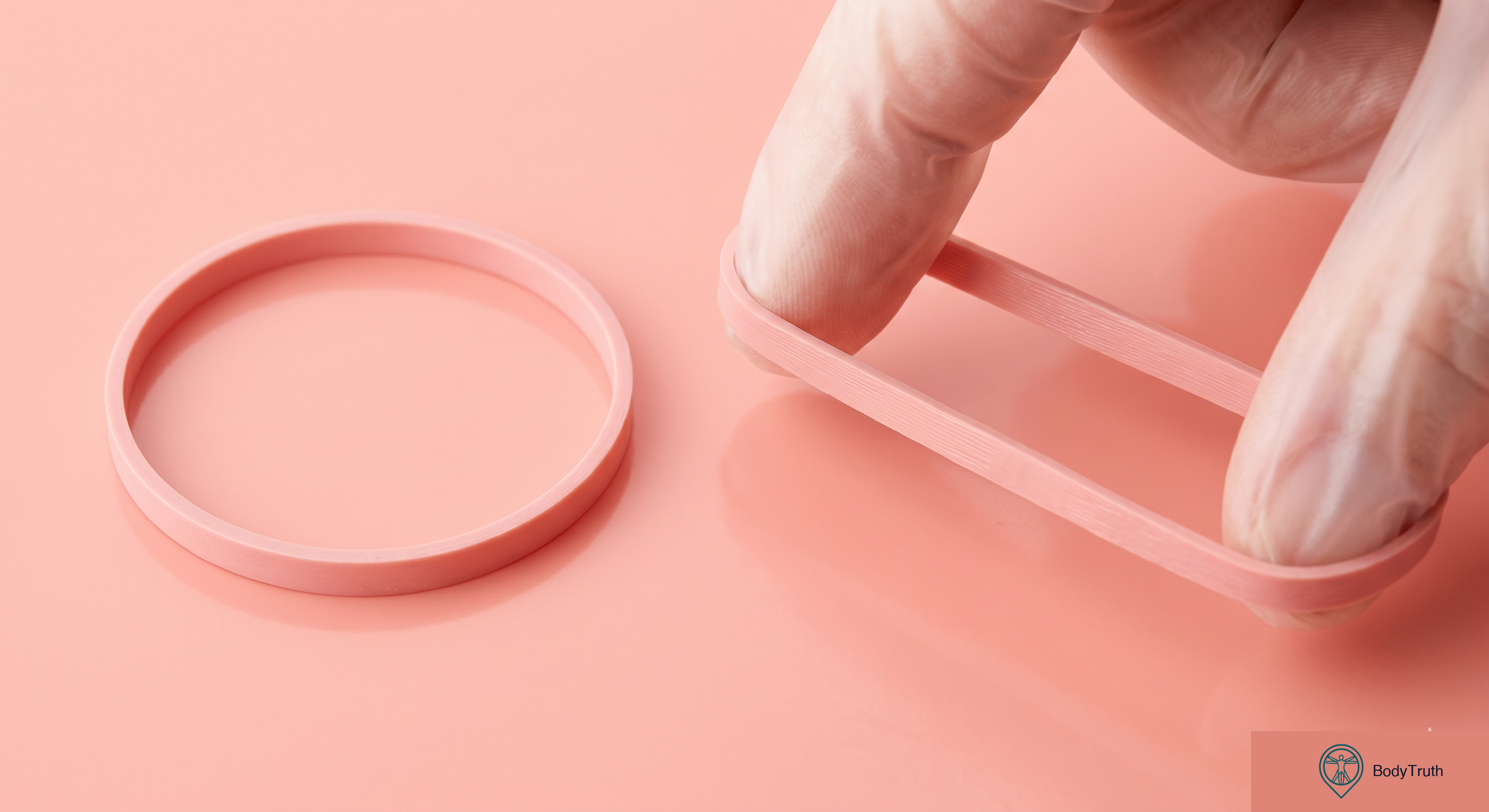
| Ring (NuvaRing) | 99.7% | 91% | Monthly |
| Male condom | 98% | 82% | Every time |
| Withdrawal | 96% | 78% | Every time |
| Fertility awareness | 95–99% | 76–88% | Daily tracking |
The gap between “perfect use” and “typical use” is the human error factor. The pill is 99.7% effective if taken at the exact same time every day with no misses. In reality? 9 out of 100 women get pregnant each year on the pill because real life happens.
Set-and-Forget Methods (Most Effective)
Hormonal IUD (Mirena, Kyleena, Liletta)
How: Small T-shaped device inserted into the uterus. Releases tiny amounts of progestin locally.
Pros:
- Most effective reversible method (tied with implant)
- Periods become lighter (50% of women stop getting periods entirely on Mirena)
- Lasts 5–7 years
- Hormones are LOCAL — much lower systemic effects than the pill
Cons:
- Insertion can be painful (seconds, but real pain — ask about numbing)
- Spotting for first 3–6 months
- Rare: expulsion, perforation
Best for: Anyone who wants maximum effectiveness with minimal effort and lighter periods.
Copper IUD (Paragard)
How: Same device, no hormones. Copper creates an environment toxic to sperm.
Pros:
- Zero hormones
- Lasts 10–12 years
- Works as emergency contraception if inserted within 5 days
Cons:
- Heavier, crampier periods (especially first 6 months)
- Insertion discomfort same as hormonal IUD
Best for: Women who want zero hormones but maximum protection.
Implant (Nexplanon)
How: Tiny rod inserted under the skin of your upper arm. Releases progestin.
Pros:
- Highest effectiveness of any method
- Lasts 3 years
- Quick insertion (2 minutes, local anesthetic)
Cons:
- Unpredictable bleeding patterns (most common complaint)
- Some women get prolonged spotting
- Requires a provider to insert/remove
Best for: Women who want top-tier effectiveness and don’t mind irregular bleeding.
Daily/Weekly/Monthly Methods
The Pill (Combined Oral Contraceptives)
How: Estrogen + progestin taken daily. Prevents ovulation.
Pros:
- Regulates periods, reduces cramps and acne
- You control it (can stop anytime)
- Many formulations available (can switch if side effects)
Cons:
- MUST take daily — forgetting drops effectiveness to 91%
- Possible side effects: nausea, breast tenderness, mood changes, blood clot risk (rare)
- Estrogen not suitable for smokers over 35, migraine with aura, or blood clot history
Real talk: The pill works great for many women. But it’s overprescribed because it’s what doctors know best — not because it’s the best option for everyone.
Progestin-Only Pill (Mini-Pill)
How: Progestin only, daily. Thickens cervical mucus, sometimes prevents ovulation.
Pros: No estrogen (safer for those with contraindications). Can use while breastfeeding.
Cons: Even less forgiving if you miss it (must be within 3-hour window). Irregular bleeding common.
Barrier Methods
Male Condom
Pros: Only method that protects against STIs. No prescription needed. No hormones.
Cons: Typical use is only 82% effective (slippage, breakage, not using every time). Requires partner cooperation.
Best for: STI protection + any other method for pregnancy prevention (double up).
What Nobody Tells You
About hormonal methods:
- Side effects are real but vary wildly between individuals. What wrecked your friend might work perfectly for you.
- Give any new method 3 months before judging — your body needs time to adjust.
- Hormonal birth control doesn’t “build up” in your system. Fertility returns within 1–3 months of stopping (except Depo — can take up to 10 months).
About the IUD:
- Insertion pain ranges from “mild cramp” to “worst 30 seconds of my life.” Ask your provider about cervical numbing or taking misoprostol beforehand.
- You can’t feel it during daily life. Your partner shouldn’t feel it during sex (if they do, the strings can be trimmed).
About switching:
- You can switch methods anytime. You’re not locked in.
- If something isn’t working for your body, that’s a valid reason to change — you don’t need to “tough it out.”
Key Takeaways
- IUDs and implants are the most effective methods by far — and require zero daily effort.
- The pill’s real-world effectiveness is 91% — not the 99% on the label.
- “Perfect use” vs “typical use” is the most important number to compare.
- Copper IUD = best hormone-free option. Hormonal IUD = lightest periods.
- Give any method 3 months before judging side effects.
- Only condoms protect against STIs. Consider combining methods.
Sources
- Trussell J, et al. “Contraceptive efficacy.” Contraceptive Technology, 2018.
- American College of Obstetricians and Gynecologists. “Long-Acting Reversible Contraception.” Practice Bulletin, 2017.
- Winner B, et al. “Effectiveness of long-acting reversible contraception.” New England Journal of Medicine, 2012.
- Faculty of Sexual and Reproductive Healthcare. “Contraception guidelines.” NICE, 2019.
This article is for educational purposes only and does not constitute medical advice. If you have concerns about your health, please consult a qualified medical professional.
Don't leave it to the algorithm.
One article, straight to your inbox, whenever we publish. Written for humans, backed by research, free of clickbait.
Zero spam. One click to leave. Your inbox, your rules.